

Disclosure: This article contains affiliate links. If you book through them, we may earn a small commission at no extra cost to you.

Welcome! If you are visiting Naritasan Shinshoji Temple (成田山新勝寺) for the first time—whether on a layover at Narita International Airport (NRT), before an afternoon flight, or on a dedicated day trip from Tokyo—this practical guide shares our firsthand experience so you can avoid common pitfalls and enjoy a truly unforgettable day.
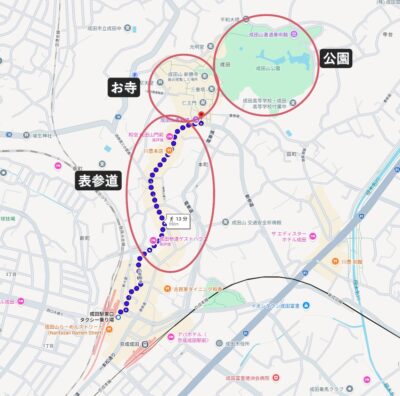
- Easy Access from Narita Station & Airport: Just a 10–15 minute scenic walk down the historic Omotesando street from JR Narita Station or Keisei Narita Station (only 8–10 minutes by train from Narita Airport).
- Free Daily Ogoma Fire Ritual: Unlike most temples in Japan that require advance paid applications, anyone can enter the Great Main Hall for free without a reservation to witness the dramatic 1,000-year-old fire ceremony.
- The Ohikaji Wallet & Bag Blessing: How to participate on the spot and have a monk purify your personal belongings over the sacred flame of Fudo Myo-o.
- Hidden Oasis at Naritasan Park: Escape the crowds on a peaceful 30-minute walk around three ponds, a waterfall, a floating pavilion, and an on-site calligraphy museum.
- Famous Omotesando Eats: Must-visit local spots along the approach, including Kawatoyo Honten’s freshly grilled eel (unagi) and traditional rice crackers.
- How to Get to Naritasan Shinshoji Temple
- Highlight #1: Experience the Sacred “Ogoma” Fire Ritual at Naritasan Shinshoji
- Highlight #2: Take a Peaceful Stroll Through Naritasan Park
- Frequently Asked Questions (FAQ) for International Visitors
- Related Reads: Combine Naritasan with “Little Edo” Sawara & Chiba
How to Get to Naritasan Shinshoji Temple
By Train (From Narita Airport or Central Tokyo)
Get off at either JR Narita Station (JR成田駅) on the JR Narita Line or Keisei Narita Station (京成成田駅) on the Keisei Main Line. Both stations sit side-by-side and are just one stop (about 8 to 10 minutes) from Narita Airport Terminals 1 and 2/3.
From the station exit, follow the historic Naritasan Omotesando (表参道) shopping street to reach the Great Main Hall (Dai-hondo) in about 10 to 15 minutes on foot.
If you walk briskly without stopping, it takes around 10 minutes; if you stroll at an easy pace while browsing the traditional wooden storefronts and watching chefs grill fresh eel, expect about 15 minutes. Almost everyone walks the scenic approach, though taxis are also readily available outside the station if you prefer a ride or have mobility concerns.
By Car
If you are driving a rental car, the temple is roughly 10 minutes from the Narita IC (Interchange) on the Higashi-Kanto Expressway. Numerous paid municipal and private parking lots are located within a short walk of the temple gates.
Highlight #1: Experience the Sacred “Ogoma” Fire Ritual at Naritasan Shinshoji
What Is the Ogoma Fire Prayer (護摩祈祷)?
Because photography and video recording are strictly prohibited inside the Great Main Hall, we couldn’t take a photo of the ceremony itself—below is an AI-generated conceptual image to convey the atmosphere (please excuse the slightly quirky way the drum is being played in the illustration!).

The Ogoma (御護摩) is an esoteric Shingon Buddhist fire ritual for good fortune, protection from misfortune, and wish fulfillment. Astonishingly, it has been performed inside Naritasan Shinshoji’s Great Main Hall every single day without fail since the Heian period (founded in 940 CE)—over 1,080 years of unbroken daily prayer.
Why You Shouldn’t Miss Watching It at Naritasan
While Goma fire rituals are practiced at many Shingon and Tendai Buddhist temples across Japan, most temples require you to formally apply and pay for a prayer talisman in advance just to enter the hall. At Naritasan Shinshoji, however, anyone can enter the Great Main Hall and experience the entire ritual completely free of charge with no reservation required.
Even if you are a casual tourist and not a Buddhist parishioner, you are warmly welcomed to take off your shoes, step onto the tatami mats inside the Great Main Hall, and witness the roaring flames, resonant taiko drums, and chanting monks up close. Because the ceremony is held multiple times daily on a fixed schedule, you are virtually guaranteed to catch a session whenever you visit. Such open accessibility is remarkably rare in Japan, making it the undisputed highlight of sightseeing in Narita.
- Admission Fee: Free (to enter and observe)*
- Reservation: Not required
- Dress Code: Casual everyday clothing is fine (please remove hats, sunglasses, and shoes when entering the hall out of respect)
*Note: Observing the ritual is completely free. If you wish to apply for a personalized wooden prayer talisman (Ogoma-fuda) with your name chanted during the ceremony, a fee applies. Please refer to the official website for schedule and talisman details: About the Ogoma Ritual | Naritasan Shinshoji Official Site
Try the “Ohikaji” (御火加持) Bag & Wallet Fire Blessing!

What Is Ohikaji?
Ohikaji (御火加持) is a special ritual practice during the Ogoma ceremony in which a monk takes your cherished personal belongings—such as your handbag, backpack, wallet, or prayer beads—and briefly holds them over the sacred Goma fire (symbolizing the purifying wisdom of Fudo Myo-o, the Immovable Wisdom King). It is believed that this imbues your item with the protective spirit of Fudo Myo-o, burning away worldly negativity and acting as a protective shield against everyday misfortune. Best of all, at Naritasan, even visitors who haven’t purchased a paid prayer talisman can line up and participate on the spot for free.
How to Participate Step-by-Step
- Watch for the Cue: As the sutra chanting and drumming continue, one of the monks will step toward the general visitors seated in the hall and gesture for people to come forward.
- Hand Over Your Item: Line up calmly and hand one item—such as your purse, wallet, or Buddhist rosary (juzu)—to the monk (please make sure pockets are zipped so nothing falls out).
- Blessing Over the Flame: The monk waves your item over the sacred fire to directly infuse it with the spiritual protection of Fudo Myo-o.
- Receive Your Item Back: Bow slightly and receive your purified item back from the monk.
Highlight #2: Take a Peaceful Stroll Through Naritasan Park
Uncrowded, Tranquil, and Completely Restorative
When most people think of Naritasan, they picture the bustling Omotesando shopping street and the lively plaza in front of the Great Main Hall. Yet the moment you step behind the main hall into Naritasan Park (成田山公園), the crowds vanish and time seems to slow down.
A leisurely loop around the garden paths takes about 30 minutes, making it the ideal length for a refreshing walk between sightseeing and lunch.
Don’t miss the park’s three scenic ponds (where you can spot giant koi carp and turtles), the picturesque Ukimido (浮御堂) floating pavilion over the water, and the soothing sound of Yuhi Falls (雄飛の滝).
Wait—Naritasan Park Isn’t Actually a Public City Park?
Despite being called “Naritasan Park,” this sprawling 165,000-square-meter landscape is not a municipal city park—it is actually the sacred inner garden belonging directly to the precincts of Naritasan Shinshoji Temple. Even more surprisingly, tucked inside the temple garden is the Naritasan Museum of Calligraphy (成田山書道美術館). Finding a full-scale art museum inside the grounds of a Buddhist temple is another rare treat you won’t see in many places across Japan.
Naritasan Shinshoji & Omotesando – Quick Facts & Official Links
- Temple Name: Naritasan Shinshoji Temple (大本山 成田山新勝寺)
- Address: 1 Narita, Narita-shi, Chiba 286-0023 (Google Maps)
- Access: 10–15 min walk from JR Narita Station or Keisei Narita Station (approx. 8–10 min by train from Narita Airport)
- Admission: Free (Temple grounds & Naritasan Park open 24 hours; Great Main Hall & Ogoma schedule varies by season, typically from 5:30/6:00 AM)
- Must-Try Local Shops on Naritasan Omotesando:
Frequently Asked Questions (FAQ) for International Visitors
- QCan I visit Naritasan Shinshoji Temple during a layover at Narita Airport?
- A
Yes! It is the #1 layover activity near Narita Airport. The train ride from Narita Airport to JR Narita or Keisei Narita Station takes less than 10 minutes. With a 4- to 5-hour layover (plus baggage storage at the airport or station coin lockers), you have plenty of time to walk down Omotesando, experience the Ogoma fire ceremony, and enjoy freshly grilled unagi.
- QDo I need to speak Japanese or book in advance for the Ogoma fire ceremony?
- A
No Japanese or advance booking is required. Simply remove your shoes at the entrance of the Great Main Hall (plastic bags are provided to carry your shoes with you), sit quietly on the tatami area, and watch. When monks gesture for visitors to line up for the Ohikaji bag/wallet blessing, you can follow the line and hand them your bag or wallet.
Related Reads: Combine Naritasan with “Little Edo” Sawara & Chiba
If you have extra time after visiting Naritasan, consider hopping on the JR Narita Line for 30 minutes to explore historic Sawara (Little Edo) or other hidden gems in Chiba Prefecture:




コメント